
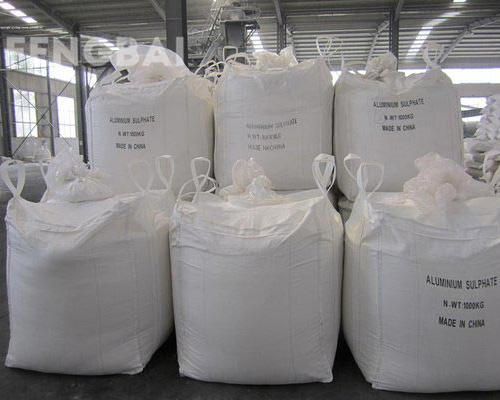
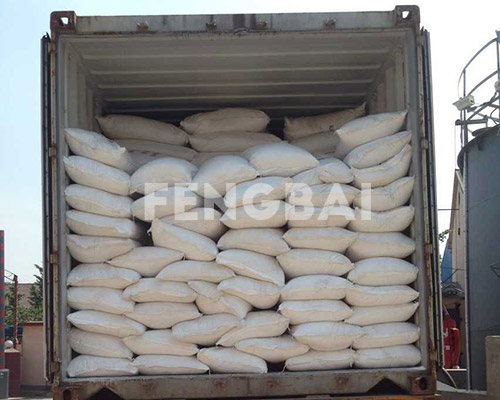
- Product: Aluminum Sulfate
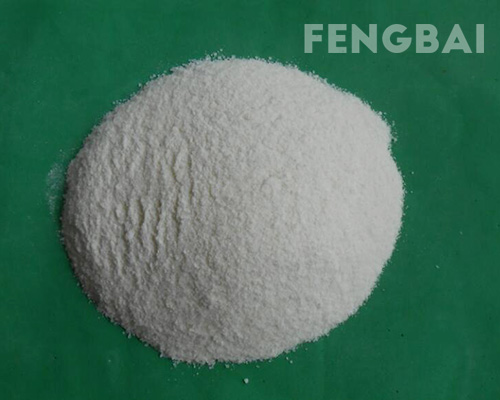
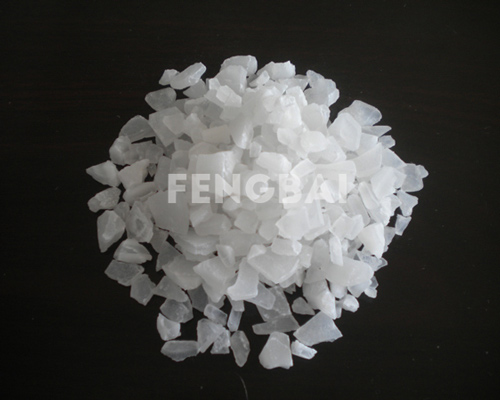
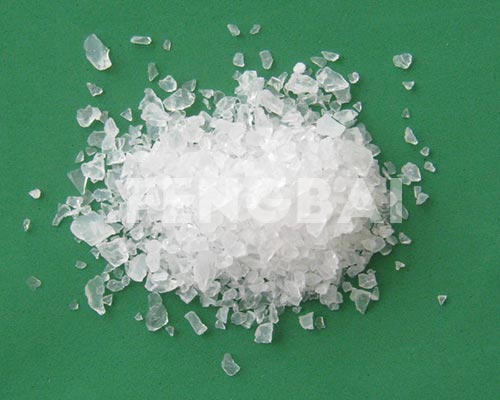
- Form: Powder/Flakes/Granular
- AL2O3 %: ≥17
- CAS No: 10043-01-3
- HS Code: 28332200
- Molecular Formular: Al2(SO4)3
What Is Aluminum Sulfate
Aluminum Sulfate, also known as alum, is a chemical compound with the molecular formula Al2(SO4)3. Generally speaking, anhydrous aluminum sulfate appears as white crystals or powder, tastes sweet, is easily soluble in water, and is insoluble in ethanol. Its density is 2.71 g/cm³ and its melting point is 770°C. However, industrial-grade solid aluminum sulfate is in the form of white flakes, granules or blocks, and has no obvious odor.
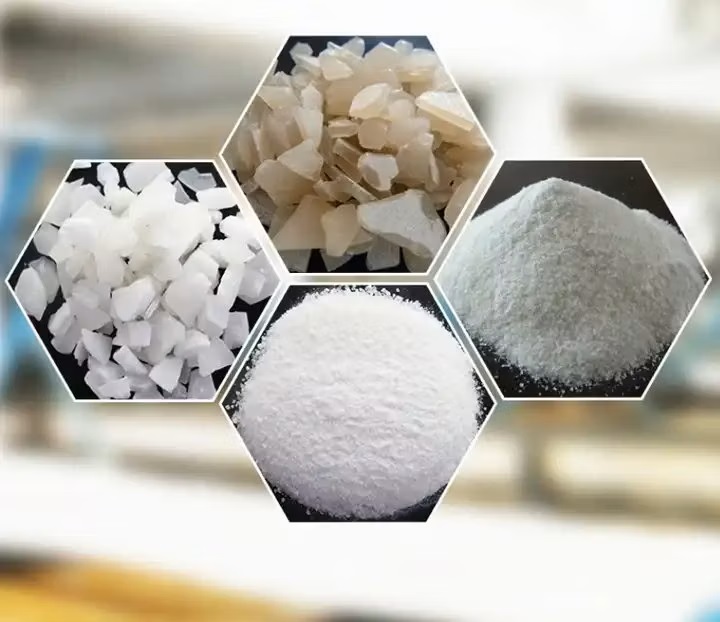
Solid aluminum sulfate often exists in the form of containing crystal water, with the molecular formula Al₂(SO₄)₃・nH₂O. Both Aluminum sulfate hexadecahydrate and aluminum sulfate octadecahydrate are more commonly used in industry. Al₂(SO₄)₃・16H₂O is stable in air and weathers when relative humidity is below approximately 25%. Its melting point is 86.5°C. Continued heating causes it to melt, decompose, and release sulfur trioxide. Water of crystallization is lost upon heating to 250°C.
While Al₂(SO₄)₃・18H₂O is a non-toxic, shiny crystal with a relative density of 1.61 g/cm³. It is relatively stable and resists weathering and water of crystallization, but it loses water upon heating. And liquid aluminum sulfate is an excellent primary coagulant, removing turbidity and suspended matter by neutralizing charge and flocculating raw water.
Technical Specifications
| Item | Aluminum Sulfate Granular/Tablets/Powder |
| AL2O3 % | ≥17 |
| Fe % | ≤0.005 |
| Insoluble matter in water % | ≤0.05 |
| Heavy metals as Pb % | ≤0.0005 |
| AS % | ≤0.0005 |
| PH value (1% aqueous solution) | 3.0 |
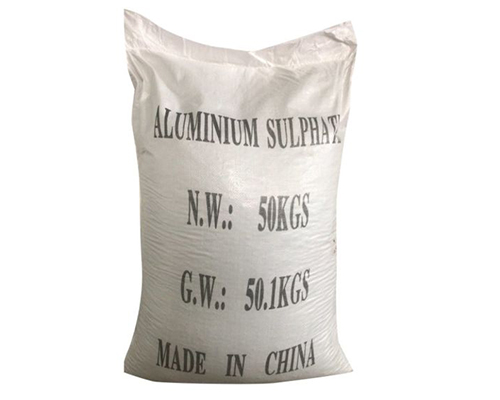
| Packing | 25 kg bags, 50 kg bags, or jumbo bags; liquid products supplied in IBC containers or bulk tankers. |
Main Uses of Aluminium Sulfate (Alum)
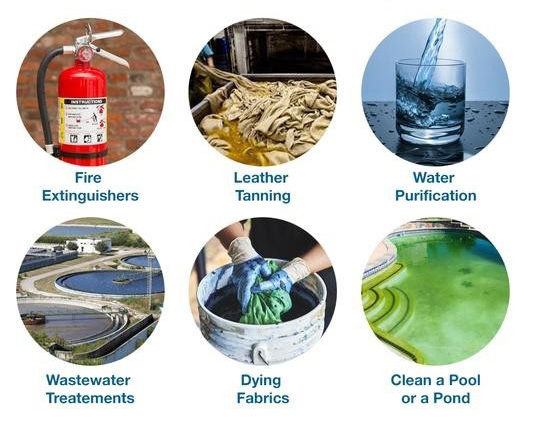
As an important inorganic chemical product, aluminium sulfate 17% always plays a key role in many industries due to its chemical properties such as easy hydrolysis and reaction with various substances. It can be widely used in water treatment plants, papermaking industry, industrial manufacturing field, medical treatment, pigments, petrochemical industry and other industries.
- Water Treatment. Non-ferric aluminum sulfate is widely used in municipal drinking water treatment and industrial wastewater treatment. It acts as a coagulant that promotes the aggregation of suspended solids, colloidal particles, and other impurities. The resulting flocs can be removed through sedimentation or filtration, helping improve water clarity and treatment efficiency.
- Paper Industry. In papermaking, aluminum sulfate supports the sizing process and improves the retention of sizing agents within the paper structure. It also promotes better sheet formation and contributes to improved paper strength, surface quality, and resistance to liquid penetration.
- Firefighting. Aluminum sulfate supports the performance of selected foam fire-extinguishing formulations. It helps stabilize the foam structure and maintain foam coverage for a longer period, which supports effective fire-control operations.
- Wood Treatment. It can be incorporated into certain wood-treatment formulations to improve the durability of wood products. It can also support moisture resistance and help protect treated wood under appropriate application conditions.
- Textile Industry. In textile processing, aluminium sulphate can function as a dye-fixing agent for specific dye systems, including naphthol dyes used on cotton fabrics. It helps promote better dye fixation and supports uniform and consistent coloration.
- Food Processing. Food-grade aluminium sulfate is used in selected food-processing applications as an acidity regulator and stabilizing agent. It can help maintain the desired texture and processing characteristics of certain products when applied at permitted levels.
- Chemical Manufacturing. The product is also used as a raw material and processing agent in chemical manufacturing. It can participate in the production of dyes, synthetic resins, synthetic rubber, and other chemical products, depending on the specific production process.
Although inferior to the newer poly aluminium chloride (PAC) in terms of reaction speed, pH adaptability, and low-temperature performance, aluminum sulfate remains the irreplaceable first-choice agent due to its superior economics in many cost-sensitive, traditional water treatment applications with suitable water quality conditions (such as large municipal water plants and industrial wastewater treatment). Its advantages primarily lie in the cost-effectiveness of large-scale applications.
1. Excellent Coagulation and Sedimentation Performance
- Mechanism of Action: When dissolved in water, aluminium sulfate hydrolyzes to form positively charged aluminum hydroxide colloids, which effectively neutralize and destabilize the negative charges of suspended particulate matter (such as colloids, bacteria, and organic matter).
- Bridging Effect: The resulting aluminum hydroxide flocs have a large specific surface area and adsorption capacity, acting like a net to capture and encapsulate fine impurities in the water, forming larger, heavier flocs, which accelerate sedimentation and separation.
- Remarkable Results: It effectively removes turbidity, color, algae, and some organic pollutants from water, making it one of the most classic and reliable coagulants in water treatment.
2. Low Cost and High Economic Benefit
- Raw Materials Available: The raw materials for aluminium sulphate production (bauxite/aluminum hydroxide and sulfuric acid) are widely available and relatively low in cost.
- Mature Production Process: The highly sophisticated production technology makes its market price highly competitive among similar water treatment agents. For large-scale water treatment plants (such as waterworks and sewage treatment plants), the use of aluminum sulfate can significantly reduce operating costs.
3. Relative Safety and Environmental Impact
- Residues are relatively safe: The primary residue after aluminum sulfate treatment is aluminum hydroxide precipitate, which is inherently low in toxicity and easily removed by sedimentation and filtration. As long as the dosage is properly controlled and the residual aluminum concentration in the effluent meets the standard, the risk to human health is manageable.
- No Risk of Secondary Hazards: Compared to some organic synthetic flocculants, it does not introduce persistent organic monomers or other unknown chemical byproducts into the water.
- Coagulation and Purification Efficiency. After dissolution, the ionized Al⁺ hydrolyzes to form aluminum hydroxide colloid. This colloid has extremely strong adsorption capacity and can quickly absorb suspended particles, organic matter, and colloidal impurities in water, forming large flocs that settle and effectively purify the water. Its coagulation efficiency is remarkable when treating highly turbid water, and its cost is lower than that of organic flocculants. It is an ideal choice for purifying construction wastewater (such as concrete mixing plant wastewater) and groundwater.
- Building Material Modification. As a concrete admixture, aluminum sulfate accelerates cement hydration, shortens initial setting time, and achieves early strength, increasing concrete strength by 10%-20% within three days. Furthermore, its acidic properties form a passivating film on steel bars, effectively inhibiting corrosion in humid environments and extending the life of building structures.
- Fire Retardant Auxiliary Function. When heated, aluminium sulfate releases water of crystallization and absorbs heat, slowing the material’s heating rate. The sulfur trioxide gas produced by decomposition dilutes combustible gases and suppresses the spread of flames. As an additive in fire-retardant coatings and fire-retardant mortars, it can extend the fire-resistant life of steel structure fire-retardant coatings by 1-2 hours. It also produces no toxic smoke during combustion, making it safer than halogen-containing flame retardants.
- Soil Improvement Effects. In foundation treatment, aluminum sulfate can undergo ion exchange and colloidal coagulation reactions with clay minerals in the soil, improving soil structure and reducing permeability by 1-2 orders of magnitude, significantly increasing the foundation’s bearing capacity. It is particularly suitable for soft soil foundation reinforcement and road base stabilization projects, effectively increasing soil dry density and reducing compressibility.
Why Choose Fengbai
- A leading aluminum sulfate manufacturer and supplier in China.
- Fengbai factory owns the most advanced production workshops and technology.
- Stable supply & delivery on time.
- Various packaging to meet customers' requirement.
- All of our products have passed ISO 9001, SGS certifications.
- We provide good quality products, competitive factory prices and excellent services for all the clients.