
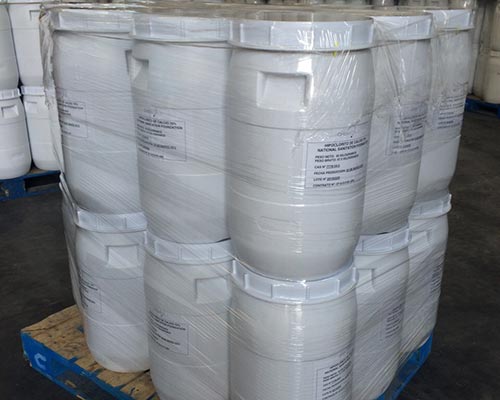
- Product : Calcium Hypochlorite
- Synonyms: Bleaching powder
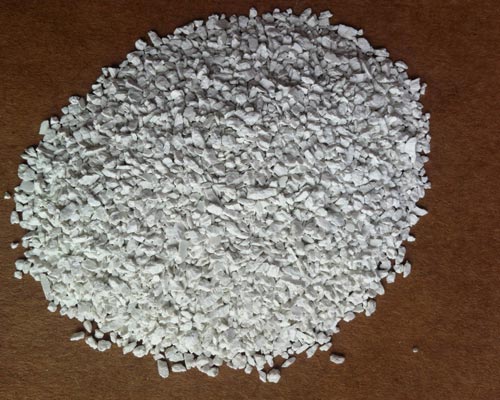
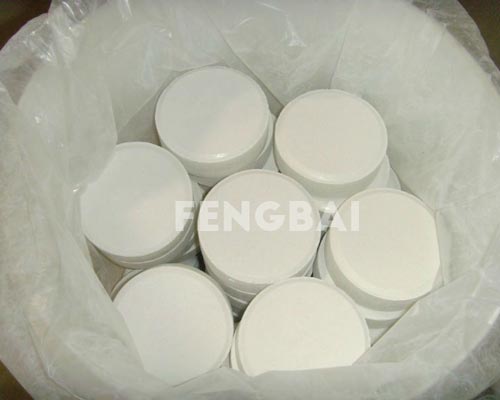
- Form: Granular,Tablet
- Effective chlorine %: ≥70.0
- CAS No.: 7778-54-3
- Molecular Formular: Ca(ClO)2
Product Introduction
Calcium Hypochlorite (CHC), also known as bleaching powder, chlorine powder, or chlorinated lime, is an inorganic chlorine-based oxidizing agent commonly used as a disinfectant and bleaching chemical. When dissolved in water, it releases active chlorine compounds that help eliminate bacteria, algae, and other harmful microorganisms. As a result, it plays an important role in various sanitation and treatment processes.
In addition, calcium hypochlorite is available in granular, powder, and tablet forms, offering flexible handling and dosing options for different treatment systems. Moreover, its relatively high available chlorine content makes it a practical choice for municipal water facilities, swimming pools, industrial processes, and public sanitation applications.
Main Types of Calcium Hypochlorite (CHC)
The calcium hypochlorite granular is a widely used form in swimming pool sanitation and water treatment. Its relatively uniform particle structure allows convenient handling, measurement, and packaging. Granular products are commonly selected for applications that require controlled chemical feeding and convenient solid-product handling.
Powdered calcium hypochlorite is designed for applications that require a finely divided solid chlorine chemical. Its particle characteristics influence dissolution behavior and contact with the treatment medium. Its typical applications include water purification, industrial sanitation, and selected disinfection processes.
Calcium hypochlorite tablets undergo a compression process that gives them a defined shape and size. As a result, their solid structure makes them suitable for controlled-feed applications. Common uses include swimming pool sanitation and selected water treatment systems equipped with compatible tablet feeders.
However, tablet dimensions, hardness, dissolution rate, and release characteristics may vary among manufacturers. Therefore, users should select a suitable product based on their equipment design and specific treatment requirements.
Technical Specifications
| Item | Calcium Hypochlorite (CHC) |
| Color | White or Light grey |
| Effective chlorine % | ≥70.0 |
| Moisture% | 4-10 |
| Insolubility | ≤3.0 |
| CaCL2 | ≤9.0 |
| Yearly loss of chlorine | ≤8.0 |
| Granularity(14-50 mesh)% | ≥90.0 |
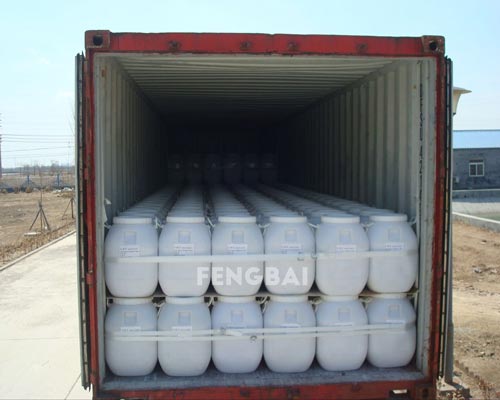
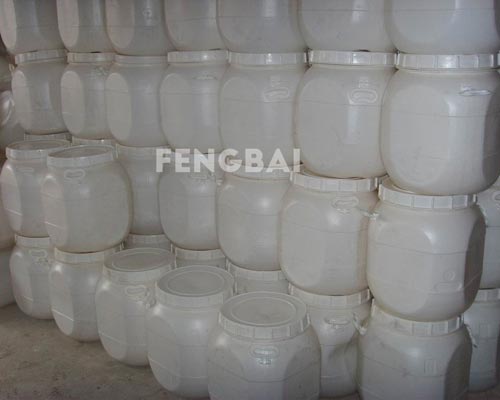
| Packing | Plastic drum with polythene bag, net wt.40kg/drum, 45kg/drum, 50kg/drum, “Oxidant” label should be signed. |
| Storage | Keep in dry, cool and ventilating place; avoid insolation, far away from fire and heat. Do not mix with organic substance, acid and reductant. |
-
Uses of CHC Chemical
-
Main Features
1. Swimming Pool Water Treatment. Calcium hypochlorite is widely used to disinfect swimming pools by releasing available chlorine into the water. It helps control bacteria, algae, and other microorganisms, making it suitable for public pools, private pools, hotels, resorts, and water parks.
2. Drinking Water Treatment. Water treatment facilities can use calcium hypochlorite in approved systems to control microbial contamination. It also helps disinfect water storage tanks and pipelines, provided the product meets relevant potable water standards.
3. Industrial Cooling Water Treatment. In industrial cooling towers and circulating water systems, calcium hypochlorite chemical helps control microbial growth, algae, and biofilm formation. It is used in power plants, petrochemical facilities, steel production, and other industrial water treatment operations.
4. Wastewater Treatment. The product serves as an oxidizing disinfectant in selected municipal and industrial wastewater treatment processes. It helps reduce microbial contamination and oxidize certain substances that contribute to unpleasant odors.
5. Textile and Paper Industries. Calcium hypochlorite provides oxidizing and bleaching effects in selected textile and pulp processing operations. By controlling the dosage and treatment conditions, operators can achieve the desired bleaching results while reducing the risk of excessive oxidation and material damage.
- High Available Chlorine Concentration. Commercial calcium hypochlorite commonly comes in 65% and 70% available chlorine grades. Due to its concentrated solid form, buyers can transport a relatively high amount of available chlorine without shipping large quantities of dilution water.
- Multiple Industrial Applications. In addition to its high chlorine content, this chemical serves various treatment requirements across municipal water supplies, swimming pools, industrial cooling systems, wastewater facilities, and selected bleaching processes.
- Flexible Product Forms. Furthermore, calcium hypochlorite is available in granular, powder, and tablet forms, providing different handling and feeding options. Buyers can select the most suitable grade based on particle characteristics, dissolution behavior, and dosing equipment.
- Convenient Solid Chemical Transportation. Compared with liquid sodium hypochlorite, calcium hypochlorite does not require the transportation of large volumes of carrier water. As a result, its concentrated solid form can offer logistical advantages for international shipments, subject to applicable dangerous goods regulations.
- Oxidizing and Bleaching Properties. Beyond microbial control, calcium hypochlorite also supports selected oxidation and bleaching processes, extending its use to applications beyond conventional water disinfection. However, its performance and storage stability depend on product composition, moisture exposure, temperature, packaging quality, and contamination control.
Why Choose Fengbai Company
- More than 15 years of experience in the water treatment chemical industry.
- Owning the most advanced production workshops and technology.
- Quality certification: ISO9001, SGS, HACCP, KOSHER, HALAL, etc.
- We always try our best to provide the best products and first-class service for all the clients.