
- Product Name: Polyacrylamide
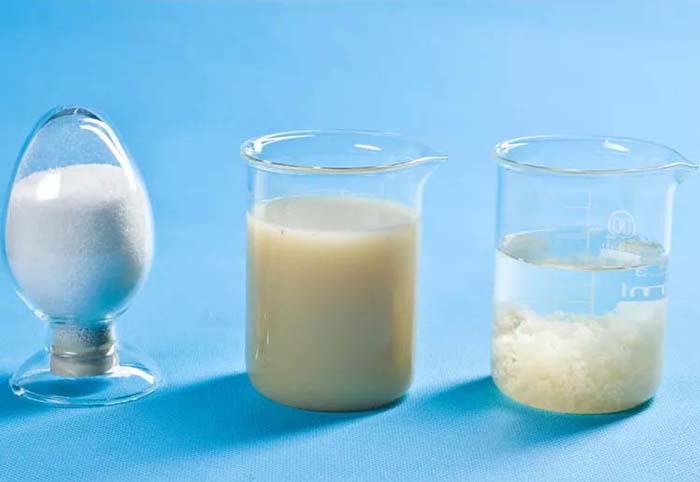
- Appearance: White Granular
- Type: Anionic, Cationic, Nonionic, Amphoteric
- Solid Content (%): ≥90
- CAS NO.: 9003-05-8
- MF: (C3H5NO)n
- HS Code: 39069010
Polyacrylamide (PAM) is a water-soluble polymer formed by the polymerization of acrylamide with the chemical formula (C₃H₅NO)ₙ. The appearance is white granules or powder. And it can be dissolved in water in any proportion, and the aqueous solution is a uniform, transparent liquid. Due to its good water solubility and chemical activity, PAM chemicals are known as “auxiliaries in various industries”, and have broad application prospects
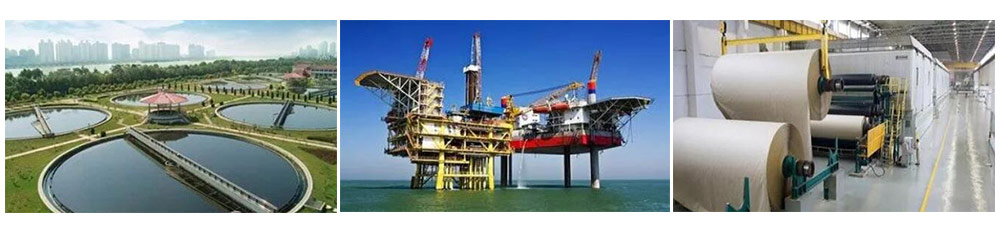
As an important water-soluble high molecular polymer, PAM chemical can be widely used in many fields, such as water treatment, oil exploration, textile, papermaking, mineral processing, medicine, agriculture and other industries.
Different Types of Polyacrylamide (PAM) Chemical
According to the ionic characteristics, polyacrylamide (PAM) can be divided into four types, they are anionic, cationic, nonionic and amphoteric. The following are their detailed introduction and specifications of PAM chemical.
The molecular weight of anionic polymer flocculants is generally higher than that of cationic and nonionic polymers. They achieve effective clarification through charge neutralization and adsorption bridging. APAM mainly interacts with negatively charged colloidal particles, promoting their aggregation and improving the removal of suspended solids, turbidity, and color. It is particularly suitable for treating water with a high content of organic colloids.
Cationic polyacrylamide is a linear high molecular polymer which is copolymerized by cationic monomer and acrylamide in different proportions by advanced polymerization technology. The cationic polymer has the characteristics of fast dissolution rate, narrow molecular weight distribution and small dosage.
CPAM is very efficient in usage and has high dehydration rate. Cationic polymer is used for the waste water treatment in alcohol factory, monosodium glutamate factory, sugar factory, beverage factory, tanneries, dyeing and other fields. It has a better effect to be used together with inorganic coagulant in particular. Besides, cationic polyacrylamide can be used as paper additives as well.
Nonionic polyacrylamide is an effective flocculant for treating various types of wastewater. Its flocculation performance remains relatively stable across different pH levels and salt concentrations. It also provides stronger flocculation than anionic polyacrylamide in certain applications. In particular, nonionic PAM performs well when treating acidic wastewater. For oily wastewater in oilfields, operators often combine it with inorganic flocculants to improve treatment efficiency.
Amphoteric polyacrylamide (AmPAM) is produced through the copolymerization of acrylamide with cationic and anionic monomers. Unlike a physical mixture of anionic and cationic polyacrylamides, amphoteric PAM incorporates both types of ionic groups into the same polymer structure. Simply combining cationic and anionic PAM may cause precipitation due to their opposite charges. Therefore, amphoteric PAM offers a more stable solution for applications that require both cationic and anionic properties.
Amphoteric PAM molecules contain both positively and negatively charged groups, combining the characteristics of cationic and anionic flocculants. This structure allows the polymer to maintain effective flocculation across a wide pH range. It also provides good water filtration performance and helps produce filter cakes with lower moisture content. Furthermore, industries can use amphoteric PAM in strong-acid ore leaching processes and for recovering valuable metals from metal-containing acidic solutions and catalysts.
Item | Anionic Polyacrylamide (APAM) | Cationic Polyacrylamide (CPAM) | Nonionic Polyacrylamide (NPAM) |
Solid Content ,(%) | ≥90 | ≥90 | ≥89 |
Molecular Weight, (million) | 18-22 million | 8-12 million | 3-10 million |
Hydrolyzing degree ,(%) | 10~30 |
|
|
Ion degree, (%) |
| 10~60 | ≤5 |
Effective pH value | 7.0~14.0 | 1.0~14.0 | 1.0~8.0 |
Dissolving time(minutes) | ≤90 | 40~60 | ≤90 |
Packing | Net 25kg/paper bag with inner plastic bag | ||
Main Applications of Polyacrylamide (PAM)
- Water treatment. As a high-efficiency flocculant, pam flocculant plays a key role in sewage treatment and drinking water treatment, promoting the aggregation and sedimentation of suspended particles in water and improving the clarification effect. According to statistics, 37% of the global PAM production is used for wastewater treatment.
- Oil extraction. As a drilling fluid additive, PAM chemical can improve the stability of drilling fluid, reduce shale swelling, and increase recovery. At the same time, PAM also plays an important role in tertiary oil recovery technology.
- Papermaking industry. As a retention agent and enhancer, PAM polyacrylamide can improve the strength, stiffness and opacity of paper and reduce the loss of fibers and other fillers. (18% of the global PAM production is used in the papermaking industry.)
- Textile and printing and dyeing. The PAM powder is used as a sizing agent to improve the wear resistance, wrinkle resistance and feel of textiles; as a dyeing auxiliary, it improves the color fixation effect of dyes and reduces losses during the dyeing process.
- Mining and coal washing. As a flocculant, PAM helps separate minerals and impurities and improves the recovery rate of minerals. In coal washing operations, it can accelerate the sedimentation of coal slime and improve the efficiency and quality of coal washing.
- Agriculture. As a soil structure improver, polyacrylamide can increase soil water retention and air permeability, reduce soil erosion, and promote crop growth.
- Other applications. PAM also has special applications in the pharmaceutical, construction, mineral processing, leather, battery manufacturing and other industries
Main Features of PAM Chemical
1. Adjustable Molecular Weight. Manufacturers can adjust the molecular weight of PAM (Polyacrylamide) to meet the specific requirements of different industries, applications, and operating conditions.
2. Excellent Flocculation Performance. PAM provides effective flocculation and helps reduce frictional resistance between liquids, thereby improving processing efficiency.
3. Good Thermal Stability. PAM maintains good thermal stability within a certain temperature range, making it suitable for various industrial processes and operating conditions.
4. High Water Solubility. PAM powder dissolves readily in water at different concentrations and forms a uniform, transparent solution, which makes handling and application easier.
Why Choose Fengbai
- Fengbai has more than 15+ years of experience in exporting polyacrylamide pam chemical.
- We have our own factory and raw materials, large warehouse, the advanced production lines and technology.
- Quality certifications: ISO 9001:2015, SGS, HACCP, KOSHER, HALAL, etc.
- Fengbai can provide high-quality products, competitive prices and good services for you.